Skip to content

International Menopause Day

International Menopause Day

Hot flashes during a client meeting. Poor sleep, and then having to be sharp at 8:30 a.m. for the team meeting. Forgetting where you left off. For many women between the ages of 40 and 60, this is just another Tuesday. Yet we hardly ever talk about it at work. On October 18, International Menopause Day, we’d like to put an end to that.

International Menopause Day

Why This Topic Belongs in the Workplace

Menopause is not a disease. It is a stage of life that every woman goes through, usually starting in her mid-40s. On average, this stage lasts 7 years, and sometimes as long as 15. That’s a significant portion of a woman’s career.

And we’re talking about a lot of people. In healthcare, education, and social services, they actually make up the majority of your team—experienced, loyal colleagues you don’t want to lose. At ZekerArbo , we believe that job satisfaction and health go hand in hand. So yes: menopause is just a natural part of life.

The numbers: often silent, yet palpable

More than 8 out of 10 women going through menopause experience physical or psychological symptoms. According to the new guidelines for occupational physicians, 55% experience symptoms that interfere with their work.
Sleep and energy are exactly what you need to do your job well. The most striking thing is that almost no one mentions it. That’s not a minor issue—it’s a blind spot.
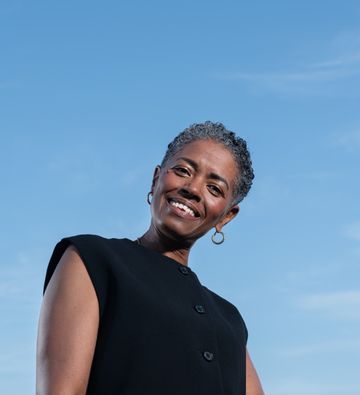
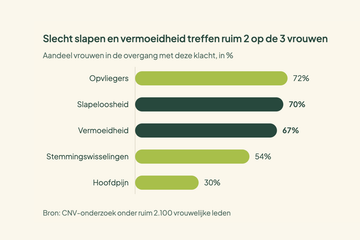
Does this sound familiar?

You don't always notice menopausal symptoms. And when you do notice them, you're quick to label them as something else. Stress. A slump. Or: she's just less motivated. Keep an eye out for signs such as:

  • feeling tired more often or having less energy at the end of the day;
  • difficulty concentrating or remembering things (brain fog);
  • hot flashes or sweating, especially in warm or crowded places;
  • more easily irritated or emotional;
  • frequent short-term illnesses, for no apparent reason.

You don't have to make a diagnosis. The important thing is that you have the courage to start the conversation—just as a person.

What can you do as an employer?

You don’t have to write a big policy plan to make a difference. Since March 2026, there has been an NVAB guideline on Menopause and Work. The message: if the workplace is structured in a way that allows women to continue working despite symptoms, it leads to greater job satisfaction and less Sickness Absence . Five things you can do as early as tomorrow:

  1. Let’s talk about it
    Just mention the transition—in the team meeting or the newsletter. October 18 is a great time to do so.
  2. Train Your Managers
    Not to play doctor, but to be able to have the conversation—with both men and women.
  3. Allow for flexibility
    Flexible work hours, working from home after a rough night, taking breaks a little more often. Small changes, big impact.
  4. Take a look at your workspace
    A window that opens, a fan, water within reach, breathable clothing.
  5. Contact the company doctor
    Even before someone calls in sick. Prevention is always better than recovery.

You don't have to solve it. You just need to bring it up for discussion. We're definitely here to help you figure it out.

International Menopause Day

And what if you're right in the middle of it yourself?

Do you recognize yourself in this story? If so, you're in good company. You don't have to figure it out on your own.

  • Say it out loud. To a coworker you trust or to your manager. Share what you need—and nothing more.
  • Take care of the basics. Exercise, eat regularly, drink enough water, and maintain a consistent sleep schedule.
  • See your family doctor if your symptoms are affecting your daily life. There are more options than you might think.
  • Talk to the company doctor. Whatever you discuss there will remain confidential.

Put the transition on the agenda. sorted in a snap.

Do you want your organization to become menopause-friendly, but aren’t sure where to start? We’d be happy to help you figure it out. Our occupational physicians follow the new NVAB guidelines and know exactly what works.

Ready to get started? Contact your dedicated account team or schedule an introductory meeting. hassle-free —simply well organized. That’s for sure.

Want to stay up to date? Our monthly email update focuses on prevention and workplace happiness. Sign up for free and never miss another smart occupational safety tip.

Sources

More articles

All posts