Social safety is as important as physical safety

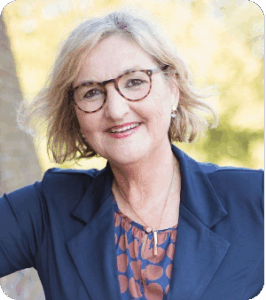
An interview with Mary Vos, Gimd
Social safety has been in the news a lot lately, with more and more people speaking out when something unacceptable happens at work. How can you deal with this as an employer? We discuss it with Mary Vos, company social worker and confidential advisor at Gimd, part of Colbe.com just like ZekerArbo .
Attention to social safety
Within most organizations, there is already a lot of focus on physical safety. Consider, for example, the prevention of injuries caused by improper use of tools, or safety in the transportation industry. Yet it is important to also have social safety in order within your company. "Since there is more and more attention in the media for social safety, more and more SMEs and industry organizations know how to find Gimd," says Mary. "They are eager to get it right for their employees."
What exactly is social safety?
Social safety is, among other things, about preventing transgressive behavior.
"This is also enshrined in occupational health and safety legislation," Mary explains. "You have to protect your staff against psychosocial occupational risks such as bullying, aggression and violence, discrimination or sexual harassment. How exactly you do this is up to you, as long as you can demonstrate it."
In addition, consider integrity in the workplace. When it is violated, there is social insecurity. "For example, I know of a situation where an employee posted nasty things about the company on social media. In another example, someone took material home on Friday to sell on Marketplace. These kinds of things unfortunately occur and result in reputational and/or financial damage."
Social safety is also called psychological safety. Mary explains, "Psychological safety means that at work you dare to say what you think without fear that someone will laugh at you, get angry or think you are stupid. You are allowed to make mistakes, ask questions and share ideas, and you know that your colleagues and your supervisor will still respect you. It's a bit like being on a nice friends team: you feel safe to be yourself."
Don't forget the accused party
Everyone is entitled to a socially safe working environment. So as an employer, you have a duty of care to someone who has become a victim of transgressive behavior, for example, but also to the accused. "It can happen that someone is accused when nothing is wrong. I find it sad that sometimes people are punished without an investigation first. The person collecting the complaint is also entitled to support."
Engage in dialogue
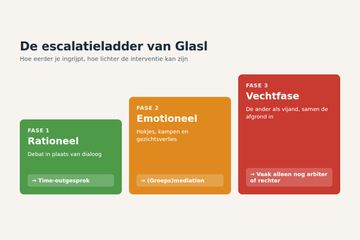
Prevention is better than cure. Mary therefore advocates having an open conversation with your employees before a socially unsafe situation arises. In doing so, it is important to take a close look at the prevailing company culture. "For example, sit down together once or twice a year to reflect on undesirable behavior. Is the way we treat each other still professional? For example, do we actually still find it normal if someone yells or calls a woman a 'hottie'?"
Some employers find it exciting to bring up this conversation because it can be seen as "soft. According to Mary, it can then help to take a clear stance as management. "State that you consider social safety just as important as physical safety."
Do we actually still consider it normal when someone yells or calls a woman a "hottie"?
Individual interviews are also valuable
The danger of such meetings is that not everyone dares to express his or her opinion on such sensitive topics. That is why it is smart to also put social safety on the agenda at annual appraisals or FiT meetings. "Tell that as an employer you yourself are not happy about the unsafe situation, then the employee feels supported."
Don't forget the importance of good exit interviews, too! "Flowers and a thank you are nice, but it is important in such conversations to ask what people think of the working atmosphere and what could be improved. There is plenty of work right now; if there is a lot of turnover within your company, maybe there is something wrong with the culture."
The importance of a confidant
According to Mary, many employees do not know where to turn if a socially unsafe situation does arise. "It's nice if you have a set of rules with what the norms and values are within your company, and what you do in case of undesirable behavior. Yet even then it is not sealed off enough. It can still happen that a conflict arises between employees themselves or with you as the employer."
In such situations, it is nice to have an independent confidant that both parties can talk to. ZekerArbo works together with Gimd. Together we can relieve employers in the field of social safety, for example with a confidential advisor and a complaints committee. Some employers already have social safety in order within their company, in which case you can also purchase separate consultancy services. This way you can spar about difficult situations.