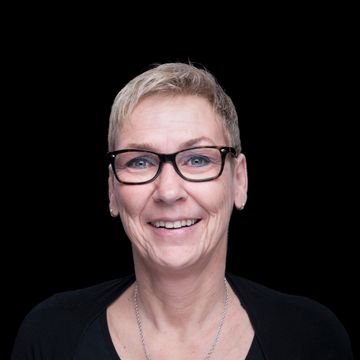
Video call or physical conversation? Kees Tijman speaking.
Kees Tijman, Practice Support Physician at ZekerArbo shares his insights on the pros and cons of online appointments.
It is crucial for employees to be seen and heard in a timely or preventive manner. Early intervention helps address Sickness Absence quickly, preventing prolonged absences. This promotes employee well-being and productivity, and avoids unnecessary costs to the employer. In addition, employees feel recognized and supported, which is essential to their motivation and job satisfaction. But should this always be done with a physical contact, or can it also be done with a video call? That's what we discuss with Kees.
Hello Kees, can you introduce yourself?
Of course, I’m Kees Tijman, 53 years old, and I’ve been working at ZekerArbo a practice assistant to the company physician (POB) since 2021.
What exactly does a POB worker do? And what doesn't?
As the first point of contact, the POB worker gathers valuable information about the sick employee so that the company doctor can get to work quickly and in a focused manner. This helps to get a better picture of the situation and prevents unnecessary delays. Moreover, the POB-er takes the time to give advice and plan possible follow-up steps, without drawing medical conclusions himself. This keeps you, the business owner, well informed and appropriate measures can be taken in time to prevent long-term Sickness Absence .
What are the stumbling blocks in your service delivery; when does the process falter or run smoothly?
One stumbling block is that in SMEs, employers do not always fully understand what the job of a POB person entails, which sometimes leads to confusion after feedback. Employees often want concrete assessments right away, but that is not the job of a POB person. We do not perform medical examinations; that is reserved for the company doctor. Our goal is to provide a clear picture of Sickness Absence as experienced by the employee.
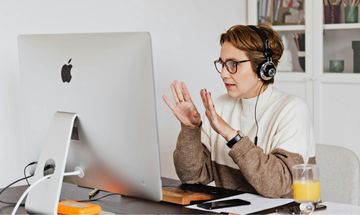
How does the application of a video call fit into this?
During a video call, you can look someone in the eye and observe how they tell their story. Good interviewing allows you to ask out the circumstances as to why someone dropped out.
What do you see as advantages and disadvantages of a video call over a live meeting?
One obvious advantage of a live call is that you can get more information from a physical call: you pick someone up from the waiting room and can immediately analyze how someone sits, walks and behaves. You see less of that with a video call.
On the other hand, a major advantage of a video call is that it is very efficient. The employee does not have to travel for a half-hour consultation, and the professional has more time to have a quality conversation.
A video call just works very efficiently. The employee does not have to travel for a half-hour consultation. That saves!
When would you choose to have a live conversation? Under what circumstances?
I like to see the client physically for mental complaints, especially when it is important to get someone moving or for conflicts, which involve more emotion. Clients then often feel better heard during a physical appointment.
Do you have any good advice for people contacting a health and safety expert?
Many people do not know that every employee is entitled to a preventive interview that can be made without the employer's knowledge at any Occupational Health Service. If this were more widely known, I think a lot of Sickness Absence could be prevented. Just talking to a professional who can advise you, keep you on track and where you can tell your story can help tremendously.
Want to know more about the occupational services and safety services of ZekerArbo? Then feel free to contact your Employability Coach or our support team.